How a 1998 Kurzweil book set the energy AI thesis
From Inside Deep Tech Investing: A Masterclass From Both Sides of the Table on Deeptech Decoded, with Graeme Harrison.
Transcript
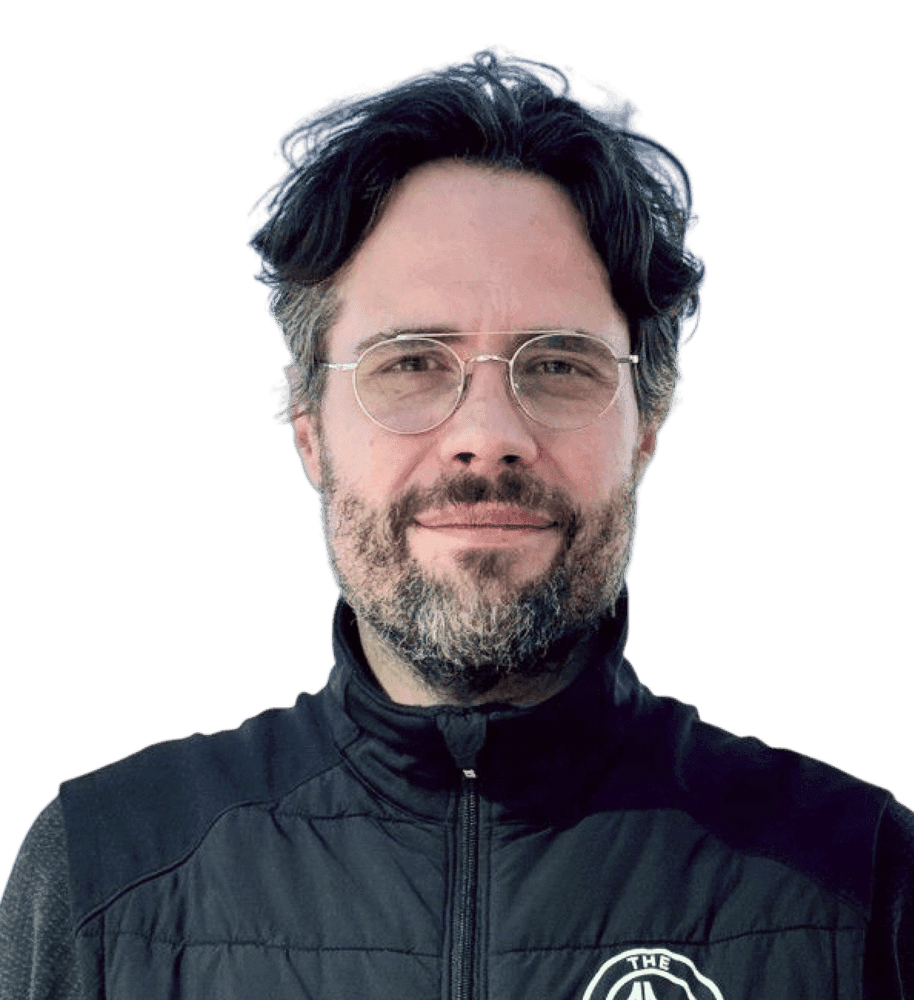
Both. It's a good question. So yeah, as you point out, like I operate a capital platform. That's the first thing I did when I left law practice was I started Augur VC, which is a capital platform, venture capital, precedency stage investment against a thesis that we called energy AI at the time. Now it's called AI infrastructure. We're pretty early on that. That allowed me and it really gave me a platform to incubate. the company that I now run, Simply Silicon, which is a refined and more pointed operating company version of that thesis that's focused on deploying air-gapped inference networks for major cities around North America.

But they must be one because they are both full-time jobs. Simply Silicon is a whole startup, like Tropper, right, a company. And also the fund, it's not that you have a supportive role. You're one of the leading... people in the fund. And then both of them I wrote like full time too. Like which one is really weighing heavier than the other one? Or where do you feel like, my God, okay, if I need to make a choice, I need to put my resources and intellectual creativity more in this direction. Because also things are long run too, right? Like it's transitional, not every time. It doesn't mean like you're gonna do forever, just like that.
Yeah, it's a great question. So the way I think about it, if you look at Elon Musk, he's built this kind of shared ecosystem approach to running his companies, SpaceX, X, Tesla, Boring Company, et cetera. He runs all of them not by having, you know, like I apportion some of my time to them. And then I have like a team of people who only, you know, works on this one thing. And like, I, I switch around like that, but instead thinks about it as there's common goals and there's a common end point for me. The reason I got into AI infrastructure in this whole space, I read a book in 1998 by a guy called Ray Kurzweil, the book's called The Age of Spiritual Machines. If you haven't read it, you should definitely read it. It's a fantastic read. He predicted a number of things in that book that have come true. Probably the most important one is the idea that as AI inevitably comes into existence and the chips necessary to run it, you know, grow and grow in proportion to its economic value.
Okay.
⁓ what you're in turn going to see is that energy is going to become the primary input. And so this connection on the one hand between energy infrastructure and AI infrastructure, that's really the North Star. Like I'd say I'm building an empire against that. You can look at the individual sleeves of, know, is it simply silicon? Is it auger? Is it auger fund two? Like we got a second fund now. it, you know, there's going to be other things and you could say, well, which of those is your primary thing? I think the answer is they all are.