Conductor Quantum builds the AI that operates quantum computers.[1]Y CombinatorConductor Quantum company profileYC Today engineers spend days, sometimes weeks, by hand bringing a silicon chip to the conditions where a single qubit forms, and a useful machine needs billions of them.[2]Launch YCConductor Quantum: Quantum computers on silicon chips using AIYC, Aug 22, 2024[3]Deeptech DecodedBrandon Severin on weeks of manual tuning to get halfway to one qubit (11:21)Episode Brandon developed AI for quantum device control in silicon during his PhD at Oxford, working with four quantum institutions and publishing on the topic, including in Nature.[2]Launch YCConductor Quantum: Quantum computers on silicon chips using AIYC, Aug 22, 2024[1]Y CombinatorConductor Quantum company profileYC[4]Deeptech DecodedBrandon Severin on automating qubit tune-up during his PhD (12:52)Episode
Decoded before it's obvious.
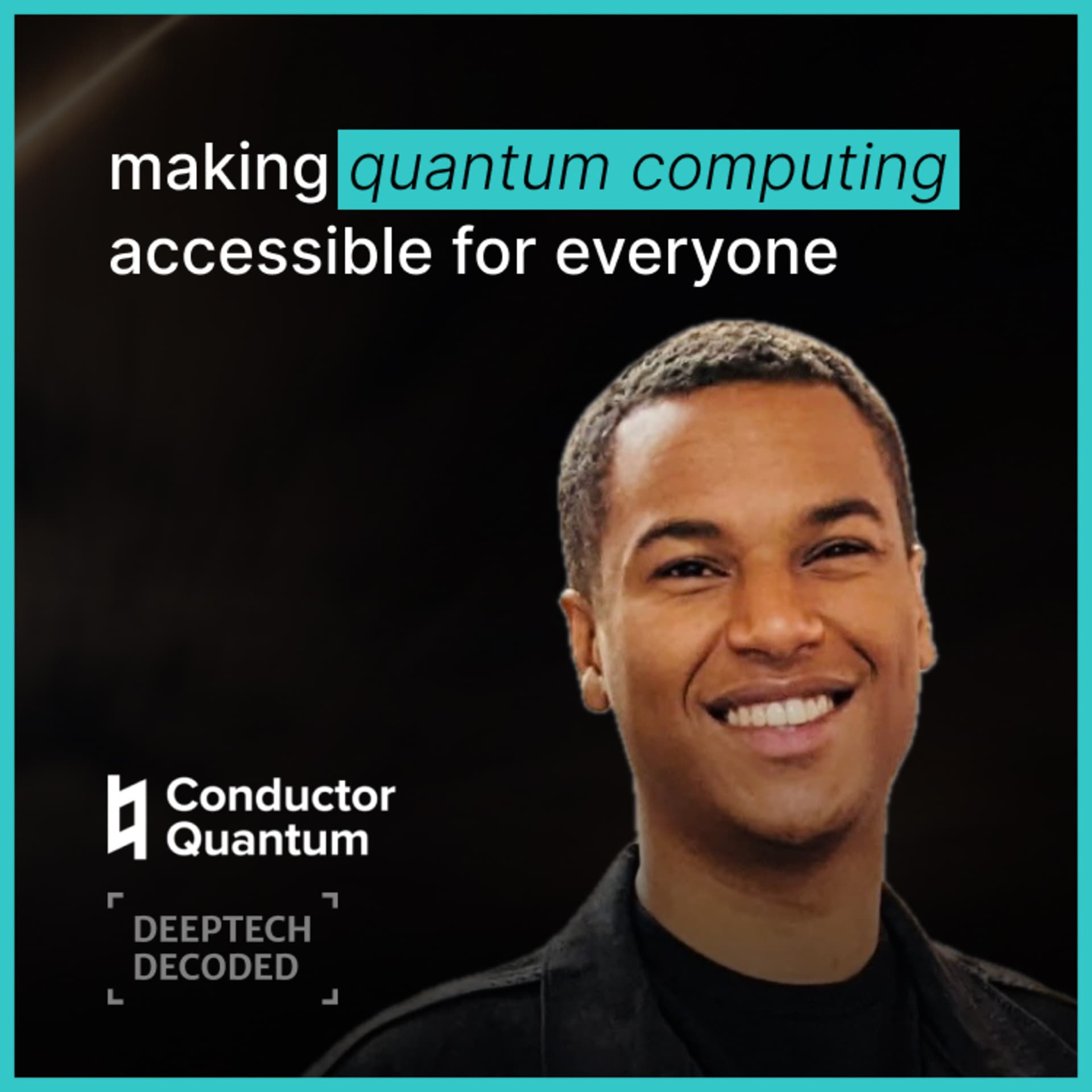
Brandon Severin is the co-founder and CEO of Conductor Quantum, which builds AI that operates quantum computers.[5]Conductor QuantumTeamCompany[1]Y CombinatorConductor Quantum company profileYC He developed AI for quantum device control in silicon during his PhD at Oxford, worked with four quantum institutions, and has published on the topic including in Nature.[2]Launch YCConductor Quantum: Quantum computers on silicon chips using AIYC, Aug 22, 2024[1]Y CombinatorConductor Quantum company profileYC
A Y Combinator S24 company building the software layer that runs quantum computers: AI that brings hardware to operating conditions and tunes every machine it runs on.[1]Y CombinatorConductor Quantum company profileYC
Getting qubits out of a chip. Engineers spend days, sometimes weeks, manually configuring a silicon chip to create a qubit, and a useful quantum computer needs billions of them.[2]Launch YCConductor Quantum: Quantum computers on silicon chips using AIYC, Aug 22, 2024 Removing the human from that loop is the bottleneck the company attacks.[1]Y CombinatorConductor Quantum company profileYC[4]Deeptech DecodedBrandon Severin on automating qubit tune-up during his PhD (12:52)Episode
Last updated Oct 23, 2026